
Television is evolving, and Internet Protocol Television (IPTV) is at the forefront of this change. Unlike traditional broadcast methods, IPTV delivers programming through your internet connection, offering greater flexibility and control over your viewing experience.
With IPTV, you can access a wide range of content, including live TV, movies, and on-demand programs, directly on your devices. This streaming service uses a network provided by your IPTV provider, giving you a more personalized entertainment experience.
As you consider switching to IPTV, it’s essential to understand how it works, the different types available, and the key features that make it an attractive alternative to traditional television services.
Key Takeaways
- IPTV delivers television content through your internet connection, offering greater flexibility.
- You can access live TV, movies, and on-demand programs directly on your devices.
- IPTV provides a more personalized entertainment experience using a network from your provider.
- Understanding IPTV’s features and pricing models is crucial before subscribing.
- IPTV is a cost-effective alternative to traditional cable and satellite TV services.
What Is Internet Protocol TV IPTV?
IPTV, a technology that delivers television content via internet protocol networks, is changing the landscape of modern entertainment. As we explore IPTV, it’s essential to understand its fundamental principles and how it compares to traditional television services.
Definition and Basic Concept
Internet Protocol Television (IPTV) is a system where television services are delivered through a broadband connection using the internet protocol. This method allows for a more personalized viewing experience, as content is streamed directly to the viewer’s device upon request. IPTV typically requires a set-top box or a smart TV to decode the digital signals and display the content. The use of IP networks enables IPTV to offer a range of interactive features, including video-on-demand and enhanced program guides.
IPTV broadcasts began gaining popularity in the 2000s with the rise of broadband internet. It is often bundled with internet access by ISPs, operating within a closed network. This setup distinguishes IPTV from over-the-top (OTT) services, which use a direct one-to-one transmission mechanism.
How IPTV Differs from Traditional TV Services
IPTV offers several advantages over traditional cable and satellite TV services. Unlike traditional television, which broadcasts all channels simultaneously, IPTV transmits only the content requested by the viewer. This targeted approach can lead to a more efficient use of bandwidth and a more tailored viewing experience.
| Feature | IPTV | Traditional TV |
|---|---|---|
| Content Delivery | Streams content on-demand via internet | Broadcasts all channels simultaneously via cable/satellite |
| Subscription Flexibility | Offers customizable content bundles | Typically requires fixed channel packages |
| Interactive Features | Includes time-shifting, video-on-demand, and enhanced guides | Limited interactive capabilities |
| Geographical Limitations | Accessible anywhere with sufficient internet | Limited by geographical coverage areas |
As shown in the table, IPTV provides a more flexible and interactive viewing experience compared to traditional TV services. With its ability to deliver content over the internet, IPTV is poised to continue shaping the future of television viewing.
The Technology Behind Internet Protocol TV IPTV
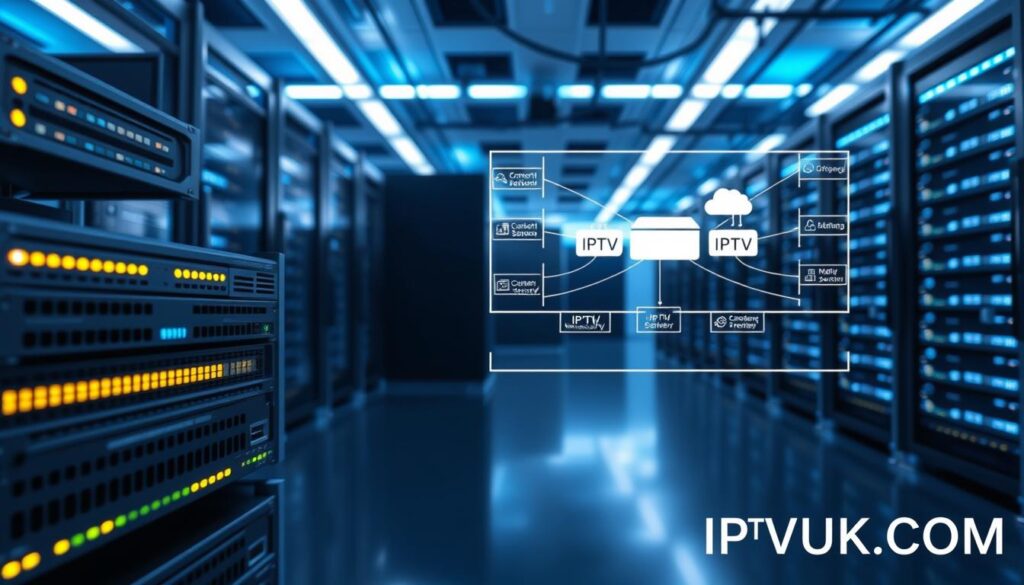
Understanding how IPTV works requires a look into its underlying technology and network infrastructure. The primary distinction between IPTV and standard internet video lies in the network. True IPTV services operate on a managed or dedicated network, ensuring a high-quality viewing experience.
How IPTV Works
IPTV services deliver content through a combination of technologies. Your internet service provider (ISP) allocates a specific portion of its bandwidth exclusively for the IPTV service, creating a private, high-speed internet lane for video traffic. This ensures a consistent and high-quality viewing experience free from the buffering and congestion that can affect video streams on the public internet.
The IPTV network typically features a three-tier architecture consisting of the head-end (where content is received and processed), the distribution network (which delivers content across the provider’s infrastructure), and the customer premises equipment.
Network Architecture and Delivery Methods
The delivery of IPTV content relies on two primary methods: IP multicast for live television (sending a single stream to multiple viewers simultaneously) and IP unicast for on-demand content (creating individual streams for each viewer). Service providers use Quality of Service (QoS) protocols to prioritize IPTV traffic over their networks, ensuring smooth delivery even during periods of high internet usage.
The backbone of IPTV service requires high-speed internet infrastructure, with fiber optic networks providing the ideal foundation for reliable, high-quality streaming. Advanced buffering techniques and adaptive bitrate streaming help maintain viewing quality by adjusting to fluctuations in network conditions and available bandwidth.
Types of IPTV Services Available
Internet Protocol Television (IPTV) provides a multitude of viewing options, transforming the traditional TV landscape. This versatility is one of the key advantages of IPTV, allowing users to access a wide range of content tailored to their preferences.
Video on Demand (VOD)
One of the most popular IPTV services is Video on Demand (VOD). VOD allows users to select and watch content at their convenience, rather than adhering to a broadcast schedule. This service includes a vast library of movies, TV shows, documentaries, and other video content that can be accessed at any time. The flexibility offered by VOD is particularly appealing to viewers who value the ability to watch what they want, when they want.
Time-Shifted Media
Time-Shifted Media is another significant IPTV service, enabling users to watch previously aired content at a later time. This includes catch-up TV, where viewers can watch TV shows they missed during the initial broadcast. Time-shifting allows for greater flexibility in viewing habits, making it possible to enjoy content at a more convenient time. This service is particularly useful for individuals with busy schedules who cannot watch their favorite shows when they are aired.
Live IPTV Broadcasting
Live IPTV broadcasting delivers real-time content streams, similar to traditional television but using internet protocol technology. As noted by industry experts, “Live IPTV is the direct replacement for traditional live television broadcasting,” allowing viewers to watch events as they happen, such as live sports, news broadcasts, concerts, and award shows. The key difference lies in the delivery method, with live feeds being streamed directly over the internet. This requires a stable, high-speed connection to ensure minimal delay or buffering.
Some of the key features of Live IPTV broadcasting include:
- Real-time content streams similar to traditional TV but delivered via internet protocol.
- Enhanced viewing experiences with multiple camera angles and interactive statistics.
- Extensive packages of live channels from around the world, including local and international broadcasts.
- Robust network infrastructure to handle high-quality live streams to multiple viewers.
As the demand for live streaming continues to grow, IPTV providers are investing in robust network infrastructures to support high-quality streams. This ensures that viewers can enjoy their favorite live events without interruptions, making Live IPTV broadcasting an attractive option for those seeking a modern alternative to traditional TV.
Key Features of IPTV Services
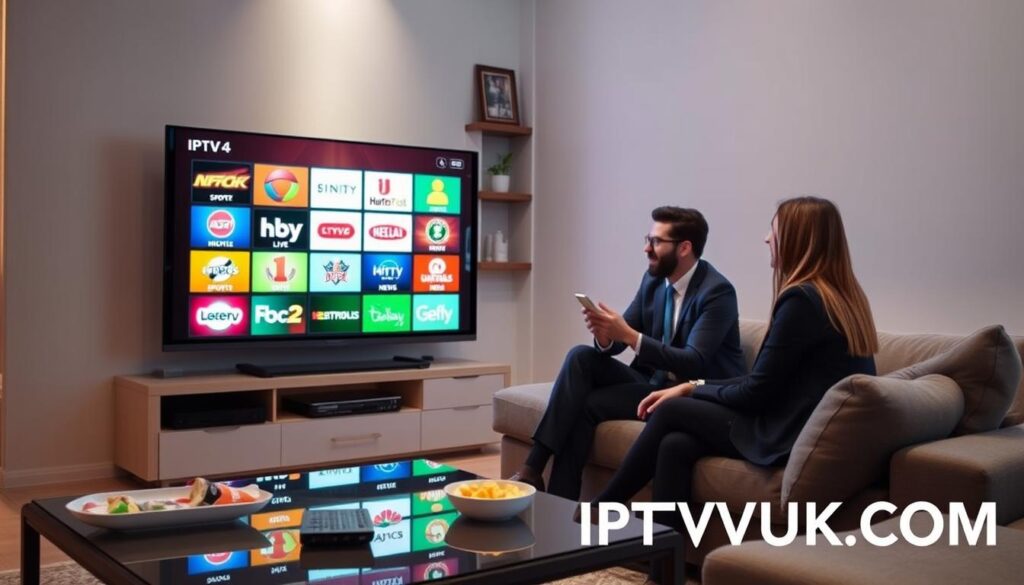
IPTV services have revolutionized the way we consume television, offering a range of innovative features that enhance the viewing experience. These features not only provide a more personalized and interactive experience but also cater to diverse viewer preferences.

Interactive Program Guides
One of the standout features of IPTV services is the interactive program guide, which allows viewers to browse through channels and content with ease. This feature provides a user-friendly interface, making it simple to discover new programs and schedule recordings.
Multi-Device Compatibility
IPTV services also offer multi-device compatibility, enabling viewers to access their favorite channels and content on various devices, including smartphones, tablets, and smart TVs. This flexibility ensures that viewers can enjoy their preferred content anywhere, anytime.
High-Definition Content
Many IPTV services provide high-definition (HD) content, ensuring a superior viewing experience with crisp visuals and clear audio. This feature is particularly appealing to viewers who value high-quality video and audio.
Catch-Up TV and Recording Options
IPTV services often include catch-up TV functionality and recording options, allowing viewers to access recently aired content and record their favorite shows. Some of the key benefits of these features include:
- Catch-up TV functionality allows viewers to access recently aired content without having to plan ahead or set recordings, typically making programs available for 7-30 days after broadcast.
- Cloud DVR features enable recording of multiple shows simultaneously without requiring local storage devices, eliminating the hardware limitations of traditional DVRs.
- Many IPTV services offer unlimited or high-capacity recording options, storing content securely in the cloud for access across all your devices.
- Advanced recording features include series recording, which automatically captures every episode of a show, and intelligent conflict resolution when scheduling overlapping programs.
- The combination of catch-up and recording capabilities effectively eliminates the concept of “missing” a show, giving viewers complete control over their viewing schedule.
By incorporating these features, IPTV services provide a comprehensive and flexible viewing experience that caters to the diverse needs of modern viewers.
Benefits of Switching to IPTV
One of the primary advantages of IPTV is its ability to provide on-demand content, allowing viewers to watch what they want, when they want. This flexibility is a significant departure from traditional TV viewing experiences.
Cost-Effectiveness Compared to Cable
IPTV services often prove to be more cost-effective than traditional cable subscriptions. By offering à la carte channel selection and flexible pricing plans, IPTV providers cater to a wide range of budgets and viewing preferences. You can choose the IPTV service that best suits your needs without being locked into expensive bundles.
Content Flexibility and Personalization
IPTV offers unparalleled content flexibility and personalization. With features like personalized recommendations and the ability to create multiple user profiles, IPTV services provide a tailored viewing experience. The IPTV app on your device allows you to access your favorite content across multiple platforms, ensuring a seamless viewing experience.
On-Demand Access and Convenience
The convenience of IPTV lies in its on-demand access to a vast library of content. You can enjoy your favorite shows and movies at any time, without being tied to a broadcast schedule. The multi-device compatibility of IPTV services means you can start watching on your TV and continue on your mobile device without interruption.
- On-demand access to a vast library of content, freeing you from broadcast schedules.
- Multi-device accessibility, allowing seamless transitions between devices.
- User-friendly IPTV apps that make finding and accessing content easy.
- Elimination of the need for physical media or downloads, with content instantly accessible.
- Advanced search functionality for efficient content discovery.
By switching to IPTV, you can enjoy a more flexible, personalized, and convenient viewing experience. With its cost-effectiveness, content flexibility, and on-demand access, IPTV is an attractive option for modern viewers.
IPTV Pricing Models Explained
When it comes to IPTV, pricing models are diverse, ranging from free services to premium subscriptions. Understanding these models is essential for choosing the right service for your viewing needs.
Subscription-Based Services
Most IPTV providers offer subscription-based services that grant access to a wide range of channels and content for a monthly or annual fee. These services often come with different tiers, offering varying levels of content and quality. For instance, a basic tier might include local channels and standard definition content, while higher tiers could offer premium channels, sports packages, and high-definition (HD) or 4K content.
Pay-Per-View Options
In addition to subscription models, some IPTV services offer pay-per-view (PPV) options, allowing viewers to pay for individual events or content without committing to a full subscription. This model is particularly popular for live events, such as boxing matches or concerts, where viewers can pay a one-time fee to access the content.
Free vs. Premium IPTV Services
The choice between free and premium IPTV services depends on several factors, including content quality, channel selection, and reliability. Key differences include:
- Free IPTV services typically offer limited channel selections, lower video quality, and less reliable connections compared to premium options.
- Premium IPTV services justify their subscription costs by providing superior stream stability, higher video quality (HD/4K), extensive channel lineups, and responsive customer support.
- The reliability difference is substantial, with premium services investing in redundant server infrastructure and dedicated bandwidth.
- Content licensing represents another key difference, with legitimate premium services paying for proper distribution rights.
- Premium services typically offer additional features like cloud DVR storage, multi-device streaming, and advanced user interfaces.
For those looking to choose the best IPTV premium service, it’s essential to consider these factors to ensure a satisfying viewing experience.
Equipment Needed for IPTV Setup
To enjoy IPTV, you’ll need the right devices and a stable internet connection.
Set-Top Boxes and Smart TVs
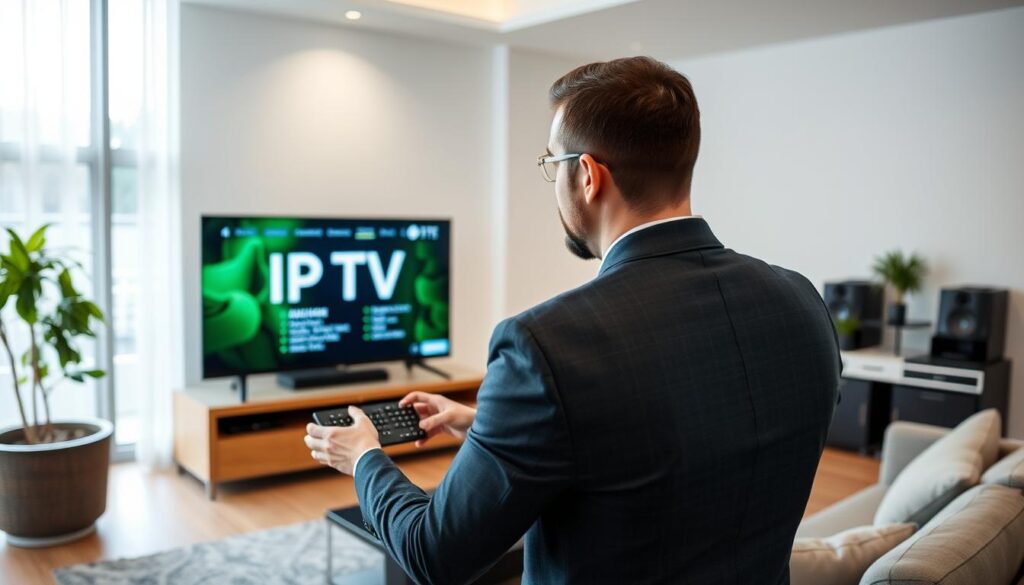
A device capable of decoding IPTV streams is essential. This can be a dedicated set-top box or a Smart TV with IPTV app support. Many modern Smart TVs come with built-in IPTV capabilities, but for older models, a separate set-top box may be necessary.
Internet Requirements and Bandwidth
A stable and fast internet connection is crucial for uninterrupted IPTV streaming. The network should be capable of handling the bandwidth requirements of IPTV, which typically ranges from 5 Mbps for SD content to 25 Mbps or more for HD and 4K content.
Additional Hardware Considerations
To optimize your IPTV experience, consider the following:
- A quality router is essential for optimal IPTV performance, with dual-band or tri-band models providing dedicated bandwidth for video streaming separate from other household internet traffic.
- Network extenders or mesh Wi-Fi systems can eliminate dead zones and ensure consistent signal strength throughout larger homes, preventing buffering when streaming in remote rooms.
- External storage devices can supplement cloud DVR services, allowing for local recording of content for offline viewing or archiving beyond the provider’s storage limits.
- Consider investing in a universal remote with voice control capabilities to streamline navigation across your IPTV service and connected devices.
- For households with multiple simultaneous viewers, network switches and bandwidth management tools can help prioritize streaming traffic and prevent congestion-related quality issues.
By ensuring you have the right equipment and a robust network infrastructure, you can enjoy a high-quality IPTV experience with minimal interruptions.
Setting Up Your IPTV Service
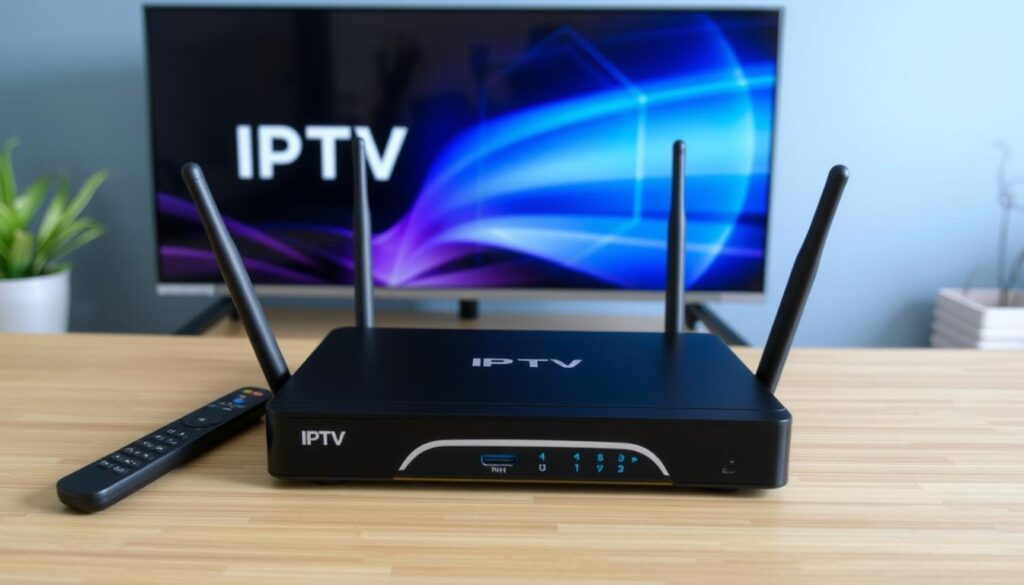
Setting up your IPTV service involves a few simple steps that can significantly enhance your viewing experience. To start, ensure you have a stable internet connection and a compatible device. For a comprehensive guide on IPTV and its benefits, you can visit WhistleOut’s IPTV Guide.
Step-by-Step Installation Guide
To set up your IPTV service, follow these steps:
- First, check that your device meets the minimum requirements for IPTV streaming, including a stable internet connection with adequate bandwidth.
- Next, download and install the IPTV application on your device, whether it’s a smart TV, smartphone, or set-top box.
- Launch the application and log in with your credentials provided by your IPTV service provider.
- Configure your IPTV settings according to your preferences, including choosing your desired streaming quality and setting up your EPG (Electronic Program Guide).
Troubleshooting Common Setup Issues
Despite a straightforward setup process, you may encounter some issues. Here are some common problems and their solutions:
- If you experience buffering or freezing issues, check your internet connection speed using an online speed test to ensure you’re receiving adequate bandwidth for streaming (minimum 10 Mbps for HD content).
- For connection problems between your app and the IPTV service, try clearing the application cache, forcing a stop of the app, and restarting both the application and your device.
- When channels fail to load, verify your subscription status is active and that your login credentials are correctly entered.
- For network-related streaming problems, consider connecting via Ethernet rather than Wi-Fi, or positioning your device closer to your wireless router to strengthen signal quality.
- If you continue to experience issues, contact your service provider‘s customer support with specific details about the problem.
By following these steps and troubleshooting tips, you can enjoy a seamless IPTV viewing experience with high-quality streaming and minimal interruptions.
Popular IPTV Applications and Platforms
The world of IPTV is vast, with numerous applications and platforms available to suit different needs. IPTV services have become increasingly popular due to their flexibility and range of content offerings.
IPTV Smarters Pro and Alternatives
IPTV Smarters Pro stands out as one of the most popular and user-friendly interfaces for managing your IPTV subscription. To get started with IPTV Smarters Pro, you need to select a reliable IPTV service provider that supports the IPTV Smarters Pro app or provides an Xtream Codes API login. This application is known for its intuitive design and robust features, making it a favourite among IPTV users.
Alternatives to IPTV Smarters Pro also exist, offering similar functionality and user experience. These alternatives can provide additional features or better compatibility with certain IPTV services, giving users a range of choices to suit their specific needs.
Smart TV and Mobile Device Apps
Smart TV platforms, including Samsung Tizen, LG webOS, Android TV, and Amazon Fire TV, offer native IPTV applications through their respective app stores. These smart TV apps are designed for convenient access and typically feature optimized interfaces for remote control navigation.
- Mobile IPTV applications for iOS and Android devices offer portability, allowing subscribers to watch content anywhere with a cellular or Wi-Fi connection.
- Many mobile IPTV apps include offline viewing capabilities, enabling users to download content when connected to Wi-Fi and watch later without consuming mobile data.
- Cross-platform applications that synchronize viewing history and preferences across devices provide a seamless experience for viewers who regularly switch between devices.
When choosing a smart TV or mobile app, prioritize those with features like picture-in-picture support, background playback, and integration with your device’s native features.
Legal Considerations for IPTV Users
With the rise of IPTV, users must be aware of the legal considerations that come with choosing a service provider. The IPTV landscape is diverse, with both licensed and unlicensed services available. Understanding the difference is crucial for a safe and legal viewing experience.
Licensed vs. Unlicensed Services
Licensed IPTV services operate with proper authorization, having secured the necessary rights to broadcast content. In contrast, unlicensed services capture and rebroadcast signals illegally. Using unlicensed IPTV service can expose you to significant legal risks, including potential liability for copyright infringement.

When evaluating an IPTV provider, it’s essential to research their legal status and content licensing agreements. Legitimate providers comply with regulations, including content filtering and age verification requirements, providing an additional layer of legal protection for subscribers.
Copyright Issues and Regulations
Copyright law protects television programs, movies, and sports broadcasts, making unauthorized redistribution illegal in most jurisdictions. The risks associated with using unlicensed IPTV services include:
- Potential legal liability for end users in enforcement actions.
- Penalties ranging from service disconnection and fines to criminal charges.
- Lack of proper data protection measures, potentially exposing users’ personal and payment information.
To avoid these risks, it’s crucial to choose a licensed IPTV service. For more information on the dangers of illegal IPTV services, you can visit FACT-uk.org.uk. When you use IPTV services, ensure you’re supporting legitimate providers to enjoy a safe and legal viewing experience.
Comparing IPTV to Other Streaming Services
As streaming continues to evolve, comparing IPTV to other services can help you make informed decisions. IPTV, or Internet Protocol Television, offers a unique viewing experience that differs from both traditional cable/satellite TV and other streaming services like Netflix or Hulu.
IPTV vs. OTT Services
One of the primary distinctions between IPTV and Over-the-Top (OTT) services is the network infrastructure. True IPTV services operate on a managed or dedicated network, where your internet service provider (ISP) allocates a specific portion of its bandwidth exclusively for the IPTV service. This creates a private, high-speed lane for video traffic, ensuring a consistent and high-quality viewing experience. In contrast, OTT services like YouTube, Netflix, or Hulu stream content over the public internet, which can be prone to buffering and congestion.
IPTV delivers content through internet protocols, eliminating the need for extensive physical infrastructure and specialized receiving equipment required by traditional cable and satellite services. This flexibility allows for viewing across multiple devices and locations, enhancing the customer experience.
IPTV vs. Traditional Cable/Satellite
The service model of IPTV differs significantly from traditional cable and satellite TV. IPTV offers self-service account management, instant activation, and no installation appointments, contrasting sharply with the traditional service windows and technician visits associated with cable and satellite providers.
Moreover, IPTV services generally operate on a month-to-month basis, allowing customers the freedom to cancel anytime without penalty. This is a significant departure from traditional providers, which typically require long-term contracts with early termination fees. Additionally, IPTV services maintain more transparent and stable pricing structures, avoiding the continuous price increases and hidden fees common with traditional cable and satellite companies.
The interactive features of IPTV, including searchable content libraries and personalized recommendations, provide a more modern user experience compared to the linear channels guides of traditional services. This makes IPTV an attractive option for those seeking a more flexible and user-friendly viewing experience.
How to Choose the Right IPTV Provider

With numerous IPTV services available, selecting the best one requires careful consideration of several key factors. As you navigate through the various options, it’s essential to evaluate the quality of service and the overall customer experience.
Evaluating Channel Selection and Content
The first step in choosing an IPTV provider is to assess their channel selection and content offerings. Look for a service that provides a diverse range of channels, including sports, entertainment, and news. You should also consider the availability of on-demand content and the quality of the programming.
Assessing Service Reliability and Support
Reliability and customer support are crucial aspects of any IPTV service. You want a provider that offers stable and consistent streaming, as well as responsive customer support in case you encounter any issues. Check for reviews and ratings that highlight the provider’s reliability and support quality.
Reading Reviews and Trial Periods
Before committing to a subscription, take advantage of free trial periods to test the service across different devices and viewing scenarios. When reading online reviews, look for detailed accounts of specific experiences and consider the recency of the reviews. You can find a list of top IPTV providers on review sites like LinkedIn.
By carefully evaluating these factors, you can make an informed decision and choose an IPTV provider that meets your needs and enhances your viewing experience.
IPTV for Specific Use Cases
By leveraging IPTV, businesses and organizations can enhance their customer experience and operational efficiency. IPTV has been widely used since around 2002 to distribute television and audio-visual (AV) media around businesses and commercial sites, whether as live TV channels or Video on Demand (VOD).
Sports Enthusiasts
For sports enthusiasts, IPTV provides an unparalleled viewing experience with live sports channels and on-demand content. Many IPTV services offer dedicated sports packages that include access to major leagues and events, making it a must-have for any sports fan. You can enjoy your favorite games on various devices, ensuring you never miss a moment of the action.
International Content
IPTV is also a boon for those interested in international content, offering a vast array of channels from around the world. Whether you’re looking for news, entertainment, or cultural programs, IPTV services provide access to global content that caters to diverse tastes and preferences. This feature is particularly beneficial for expatriates and international students who wish to stay connected to their home country’s media.
Business Applications
Businesses use IPTV solutions for various applications, including lobby displays, waiting room entertainment, employee communications, training content distribution, and digital signage throughout corporate facilities. For instance, IPTV in hospitals has improved patient experience by offering entertainment options that can be controlled from bedside tablets, while also delivering educational content about procedures and recovery.
| Industry | IPTV Applications | Benefits |
|---|---|---|
| Hospitality | Lobby displays, guest entertainment | Enhanced customer experience, personalized welcome messages |
| Healthcare | Bedside entertainment, educational content | Improved patient experience, informed patients |
| Education | Lecture recordings, campus announcements | Enhanced learning experience, efficient communication |
Future Trends in Internet Protocol Television
As Internet Protocol Television continues to evolve, several key trends are shaping its future. The IPTV industry is witnessing significant transformations driven by technological innovations, changing consumer preferences, and emerging market opportunities.
Technological Advancements
Technological advancements are at the forefront of IPTV’s evolution. Improvements in streaming quality, reduced latency, and enhanced content delivery networks are making IPTV services more reliable and attractive to consumers. According to a recent study, the integration of advanced technologies like AI and machine learning is expected to further enhance the IPTV experience by offering personalized content recommendations and improving service quality.
Integration with Smart Home Systems
The integration of IPTV with smart home systems is another significant trend. As smart homes become more prevalent, IPTV providers are developing solutions that seamlessly integrate with existing smart home infrastructure. This integration enables users to control their IPTV services using voice commands or mobile apps, enhancing the overall viewing experience.
Emerging Market Developments
Emerging markets are playing a crucial role in the growth of IPTV. In regions where traditional cable infrastructure is lacking, IPTV is becoming the primary means of television consumption. For instance, some countries are leapfrogging traditional cable entirely, adopting IPTV as their main television delivery method. This trend is driving global innovation, particularly in mobile-first viewing experiences. Telecommunications companies are also bundling IPTV with mobile plans and home internet services, creating comprehensive digital lifestyle packages.
| Trend | Description | Impact |
|---|---|---|
| Technological Advancements | Improvements in streaming quality and content delivery | Enhanced user experience |
| Smart Home Integration | Seamless integration with smart home systems | Increased convenience and control |
| Emerging Market Growth | Adoption of IPTV in regions lacking traditional cable | Global innovation and expanded market reach |
For more information on the technical aspects of IPTV, you can refer to research papers such as those found in academic journals. For instance, a study published in Informatica provides insights into the technical advancements in IPTV.
Conclusion
IPTV stands out as a game-changer in the television industry, providing numerous benefits over traditional services. As we’ve explored, it combines the best aspects of traditional broadcasting with the flexibility and personalization of internet-based streaming services.
The advantages of IPTV are clear: it offers cost savings, device flexibility, and on-demand access to a wide range of content. When selecting an IPTV service, it’s crucial to prioritize legitimate providers that offer reliable streams, comprehensive content libraries, and responsive customer support.
As the technology continues to evolve, we can expect even greater integration with smart home systems, more sophisticated personalization, and improved video quality. For consumers tired of rising cable bills and limited viewing options, IPTV offers a compelling alternative that puts the viewer in control of their entertainment experience.
To learn more about how IPTV works and its benefits, you can visit this detailed guide. As you explore the various providers and plans available, remember that the ideal IPTV service is one that aligns with your specific viewing habits, technical capabilities, and budget constraints.
In conclusion, IPTV represents the future of television – increasingly internet-based, interactive, and personalized. Whether you’re a sports enthusiast, a film buff, or simply a cost-conscious viewer, IPTV services provide tailored solutions that conventional television cannot match.