
Television entertainment is undergoing a significant transformation with the rise of IPTV (Internet Protocol Television), offering a more flexible and customizable alternative to traditional cable or satellite services. As a consumer, you’re likely looking for a service that meets your specific entertainment needs.
With numerous IPTV services available, choosing the right one can be overwhelming. This comprehensive guide will help you understand what IPTV is, how it works, and what to look for in a streaming service. You can explore options like IPTV services similar to QQT to find the best fit for your viewing habits.
By the end of this guide, you’ll be equipped to make an informed decision about switching to IPTV as your primary source of television content.
Key Takeaways
- Understand the basics of IPTV and its benefits over traditional TV services
- Learn how to choose the right IPTV service for your entertainment needs
- Discover the different types of IPTV services available in the market
- Find out what equipment and setup are required for IPTV streaming
- Be aware of potential challenges and how to overcome them
What Is IPTV? Understanding Internet Protocol Television
Internet Protocol Television, commonly known as IPTV, is a modern alternative to traditional cable and satellite TV. It offers a way to watch live TV and on-demand content via the internet without being tied to a traditional cable or satellite contract.
The Evolution from Traditional Cable to IPTV
The shift from traditional cable to IPTV represents a significant change in how television content is delivered and consumed. Unlike conventional cable or satellite systems that broadcast all channels simultaneously, IPTV sends only the channel you’ve selected, making more efficient use of bandwidth. This evolution has moved television viewing from scheduled programming to on-demand viewing, providing greater flexibility and interactivity.
How IPTV Technology Works
IPTV technology works by encoding television signals into IP packets that are transmitted over managed networks. This ensures a quality of service and reliability that distinguishes it from general internet streaming. The streaming platform uses a two-way digital broadcast signal sent through a switched telephone or cable network by way of a broadband connection. This provides greater interactivity compared to traditional one-way cable services, allowing for features like time-shifting, video on demand, and interactive user interfaces.
| Feature | Traditional Cable | IPTV |
|---|---|---|
| Content Delivery | Broadcasts all channels simultaneously | Sends only the selected channel |
| Interactivity | Limited interactivity | High interactivity with features like VOD |
| Bandwidth Usage | Inefficient use of bandwidth | Efficient use of bandwidth |
By understanding how IPTV works and its advantages over traditional TV services, you can make an informed decision about switching to this modern television service.
The Different Types of IPTV Services
Understanding IPTV services is crucial for choosing the right one. IPTV, or Internet Protocol Television, offers a range of viewing options that cater to different preferences and needs.
Live IPTV Streaming Services

Live IPTV streaming services broadcast content in real-time, similar to traditional television. They’re ideal for live sports events, news coverage, and entertainment shows. Popular services include Hulu + Live TV, YouTube TV, and Sling TV, offering extensive channel lineups.
Video-on-Demand (VOD) Services

VOD services provide a library of content that users can access at any time. This eliminates the constraints of scheduled programming, allowing for personalized viewing experiences. Top VOD IPTV services offer a wide range of movies, TV shows, and original content.
Time-Shifted Media and Catch-Up TV
Time-shifted media and catch-up TV allow viewers to watch recently aired content for a limited period after its original broadcast. Services like BBC iPlayer offer this feature, combining the timeliness of live TV with the convenience of on-demand viewing.
IPTV services come in various formats, including live TV, time-shifted TV, VOD, and near-video-on-demand. Some providers offer hybrid services that include elements of live streaming, VOD, and catch-up TV, giving subscribers maximum flexibility in how they consume content.
Benefits of Switching to IPTV
IPTV offers a plethora of benefits that make it an attractive alternative to traditional cable. As consumers become more aware of the advantages of Internet Protocol Television, they’re increasingly making the switch. The benefits range from cost savings to enhanced viewing flexibility.
Cost Savings Compared to Traditional Cable
One of the most compelling reasons to switch to IPTV is the potential for significant cost savings. Unlike traditional cable packages that often come with long-term contracts and hefty early termination fees, IPTV services typically offer more flexible pricing models. You can choose from various subscription tiers, paying only for the content you want to watch. This à la carte approach can lead to substantial savings, especially for viewers who don’t need a multitude of channels.
| Service | Basic Package | Premium Package |
|---|---|---|
| IPTV Service A | $20/month | $40/month |
| Traditional Cable | $60/month | $100/month |
Greater Content Flexibility and Customization
IPTV provides unprecedented content flexibility, allowing viewers to customize their channel lineups according to their preferences. With IPTV, you can access specialized content that might not be available through conventional cable packages. This level of customization enhances the viewing experience, making it more enjoyable and personalized.

Multi-Device Accessibility
Another significant benefit of IPTV is its multi-device accessibility. With IPTV, you can watch your favorite channels and programs on various devices, including smart TVs, smartphones, tablets, and computers. This flexibility means you’re no longer tethered to your living room, giving you access to your entire content library whether you’re commuting, traveling, or just in another room of your house.
By switching to IPTV, you can enjoy a more flexible, cost-effective, and personalized viewing experience. With its numerous benefits, it’s no wonder that IPTV is becoming the preferred choice for many consumers.
Potential Drawbacks of IPTV Services
While IPTV services offer numerous benefits, there are several drawbacks to consider when evaluating this streaming option. As you weigh the advantages and disadvantages, it’s essential to understand the potential challenges that come with IPTV services.
Internet Speed Requirements
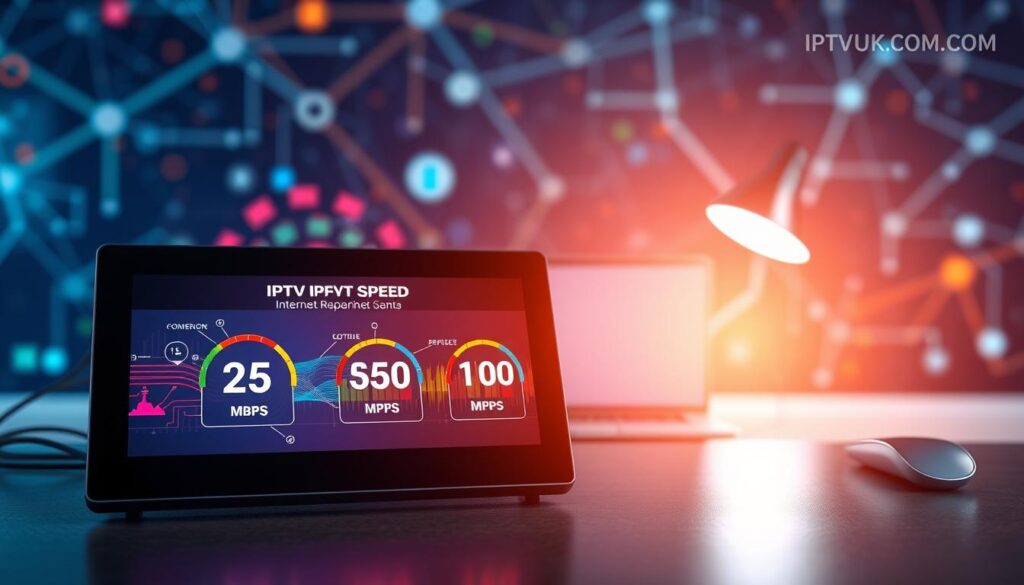
One of the primary concerns with IPTV services is their dependence on a stable, high-speed internet connection. Most HD streams require at least 5-10 Mbps of consistent bandwidth per device for smooth playback. If your internet connection is slow or unstable, you may experience buffering or reduced video quality, particularly during peak usage hours when network congestion is more likely.
Service Reliability Concerns
Service reliability can be a significant issue with some IPTV providers, particularly smaller or newer services that may not have the infrastructure to handle high demand or technical issues efficiently. You may experience interruptions or poor video quality if the provider’s servers are overwhelmed or experiencing technical difficulties.
Content Availability Limitations
Content availability limitations can be frustrating, as licensing agreements vary by country and provider. This means that your favorite channels or programs might not be available on all IPTV services. For instance, some services may not offer certain sports channels or popular TV shows due to licensing restrictions in your country. It’s crucial to check the channel lineup and content offerings before subscribing to an IPTV service. You can find more information on choosing the best IPTV providers for streaming on G-IPTV’s guide.
Essential Equipment for IPTV Viewing
The key to a seamless IPTV experience lies in choosing the right equipment for your viewing needs. To enjoy IPTV services, you’ll need certain equipment that can receive, decode, and display the streaming content on your preferred viewing device.
IPTV Set-Top Boxes and Media Players
IPTV set-top boxes are dedicated devices designed specifically for streaming television content, offering optimized performance and often coming with specialized remote controls for easy navigation. Popular media players like Amazon Fire TV Stick, Roku, Apple TV, and Android TV boxes can all be used to access IPTV services through their respective app stores or via sideloaded applications.
Smart TVs and IPTV Compatibility
Many modern smart TVs have built-in IPTV compatibility, allowing you to download IPTV apps directly to your television without needing additional hardware. This integration simplifies the viewing experience and enhances picture quality.
Mobile Devices and IPTV Apps
For viewers who prefer watching on mobile devices, most IPTV providers offer dedicated apps for smartphones and tablets, enabling on-the-go viewing of both live channels and on-demand content. You can download many IPTV apps from your device’s app store, which is the easiest way to install a service.
The quality of your viewing experience can vary significantly based on the processing power and capabilities of your chosen device, with higher-end equipment generally providing better performance and picture quality. It’s essential to verify compatibility before subscribing to a service or purchasing new equipment.
How to Set Up Your IPTV Service
Setting up your IPTV service is a straightforward process that requires some basic knowledge of your network and device capabilities. To start, you’ll need to ensure that your home network is capable of handling the demands of IPTV streaming.
Network Requirements for Optimal Performance
For a seamless IPTV experience, your network must meet certain requirements. Sufficient bandwidth is crucial; a minimum of 10-25 Mbps is recommended for HD content. Using a wired Ethernet connection instead of Wi-Fi can provide more consistent speeds and reduce buffering during peak usage times.
- Ensure your router can handle video stream traffic.
- Consider upgrading your internet plan if you experience frequent buffering.
- Use Quality of Service (QoS) settings on your router to prioritize IPTV traffic.
Installing and Configuring IPTV Apps
Once your network is ready, the next step is to install and configure the IPTV app on your device. This process varies depending on the device you’re using, but generally involves downloading the app from your device’s app store or sideloading it if it’s not officially available.
During configuration, you’ll need to enter your subscription credentials provided by your IPTV service. You may also need to adjust settings such as stream quality, buffer size, and parental controls to customize your viewing experience.
Testing and Troubleshooting Your Setup
After configuring your IPTV app, it’s essential to test your setup to ensure it’s working correctly. Check various channels across different times of day to ensure consistent performance. If you encounter any issues, troubleshooting steps may include clearing the app’s cache, restarting your device, or contacting your service provider’s customer support for assistance.
For users who plan to access their IPTV service while traveling, setting up a VPN beforehand can help maintain access to your content when abroad or on restricted networks.
Top IPTV Providers in the United States
With the rise of IPTV, US viewers now have access to a wide array of streaming services that cater to different tastes and budgets. The United States offers a diverse range of IPTV providers, making it essential to choose a service that aligns with your viewing preferences and budget.
Premium Licensed IPTV Services
Premium licensed IPTV services such as YouTube TV, Hulu + Live TV, and DirecTV Stream offer comprehensive channel lineups, including local networks, sports channels, and premium entertainment options. These services are fully compliant with legal requirements and provide reliable customer support.
They typically feature advanced options like unlimited cloud DVR storage, multiple simultaneous streams, and 4K content, justifying their higher monthly subscription costs.

Budget-Friendly IPTV Options
For viewers on a budget, services like Sling TV, Philo, and Pluto TV offer more affordable alternatives with curated channel selections. These services operate on a “skinny bundle” model, allowing subscribers to add channels based on their interests.
They are ideal for those with specific content preferences or limited budgets, providing a cost-effective solution without compromising on entertainment.

Specialized Content IPTV Providers
Some IPTV providers specialize in specific genres or interests. For instance, fuboTV caters to sports enthusiasts, BritBox offers British content, and Crunchyroll is a haven for anime fans.
These specialized services ensure that viewers can access their preferred content without having to subscribe to broader, more expensive packages.

When selecting an IPTV provider, consider factors beyond price, such as channel offerings, device compatibility, streaming quality, and additional features like DVR capabilities. Regional availability can also impact your choices, as some services vary in channel lineups or pricing based on location within the United States.
Legal Considerations When Using IPTV
When using IPTV services, it’s crucial to be aware of the legal landscape surrounding these platforms. As IPTV continues to grow in popularity, understanding the legal aspects becomes essential for consumers to avoid potential issues.
Licensed vs. Unlicensed IPTV Services
One of the primary legal considerations is the distinction between licensed and unlicensed IPTV services. Licensed IPTV services have proper agreements with content creators and distributors, allowing them to legally broadcast channels and provide on-demand content. These services typically charge higher subscription fees due to the costs associated with licensing. On the other hand, unlicensed IPTV services often offer large channel lineups at low prices, but they operate without proper authorization, potentially exposing users to legal risks.
| IPTV Service Type | Licensing | Typical Cost | Legal Risk |
|---|---|---|---|
| Licensed | Proper agreements with content creators | Higher subscription fees | Low |
| Unlicensed | No proper authorization | Lower subscription fees | High |
Copyright Issues and Geo-Restrictions
Another critical legal consideration is copyright issues and geo-restrictions. Content licensing agreements often specify which countries can access certain programs or channels, leading to geo-restrictions. While VPNs can bypass these restrictions, doing so may violate the terms of service of your IPTV provider and potentially raise legal questions. It’s essential to understand these limitations and comply with relevant laws, including copyright regulations.
To ensure a safe and legal IPTV experience, consumers should research the legitimacy of an IPTV service before subscribing. Look for transparent business information, proper customer support, and realistic pricing that reflects legitimate content licensing costs.
IPTV Security and Privacy Concerns
Ensuring the security and privacy of your IPTV service is essential for a safe viewing experience. As you use IPTV services, you’re not just accessing entertainment; you’re also sharing personal information that needs protection.
Protecting Your Personal Information
When you subscribe to IPTV services, you often need to create accounts and provide personal details. It’s crucial to choose a provider that implements strong encryption and security measures to safeguard your data. Always review the provider’s privacy policy to understand how your information is handled.
Legitimate IPTV services typically have robust security protocols in place. However, using public networks like hotel Wi-Fi or airport connections can still expose your streaming activity and potentially your account information to risks.
Using VPNs with IPTV Services
Many users enhance their privacy and security by using Virtual Private Networks (VPNs), which encrypt internet traffic and mask the user’s actual IP address. A VPN can help you access your usual subscriptions and content libraries from anywhere, making it seem like you’re still in your home country.
For instance, connecting to a VPN server in your home country allows you to continue watching local news, your favorite channels, and on-demand content while you’re away. It’s also useful for bypassing network restrictions on corporate, educational, or public Wi-Fi networks. When choosing a VPN for IPTV, look for providers that offer high-speed servers, unlimited bandwidth, and a strict no-logs policy to ensure optimal streaming performance and privacy.
For more information on the risks associated with illegal IPTV services, visit FACT-uk. To learn how to choose the best IPTV premium service, check out G-IPTV.
How to Choose the Right IPTV Service for Your Needs
Choosing the best IPTV service for your needs involves a careful assessment of your viewing preferences, budget, and the service’s features. With numerous options available, making an informed decision requires a thorough evaluation of several key factors.
Assessing Your Viewing Habits and Preferences
To select the ideal IPTV service, start by analyzing your viewing habits. Consider what types of content you watch most frequently and when you typically watch them. Are you primarily a live TV viewer, or do you prefer on-demand content like movies and series? Different IPTV services excel in different content categories, so understanding your preferences is crucial.
- Evaluate your viewing schedule: Do you watch TV during peak hours or late at night?
- Consider the devices you use for streaming: Are they compatible with the IPTV service?
- Assess your internet connection: Is it stable and fast enough for smooth streaming?
Evaluating Channel Lineups and Content Libraries
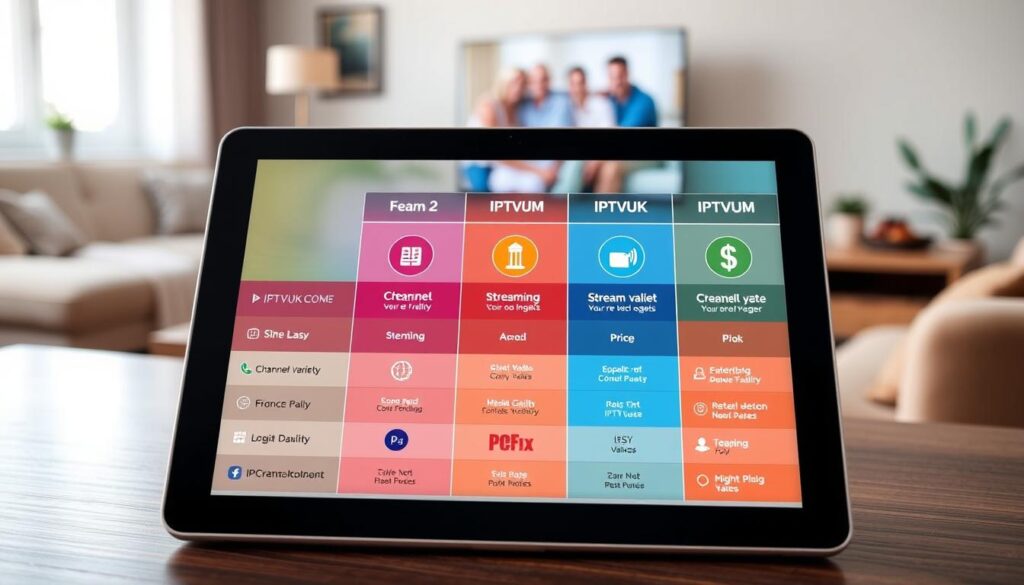
When evaluating IPTV services, look beyond the total number of channels offered. Ensure that the specific networks you regularly watch are included in the package. Additionally, consider the organization of the content library and whether the service offers features like personalized recommendations and easy search functionality.
| IPTV Service | Channel Lineup | Content Library | Pricing |
|---|---|---|---|
| Hulu + Live TV | Live TV, Sports, News | On-demand content, Cloud DVR | $64.99/month |
| DirecTV | Live TV, Sports, Premium Channels | On-demand content, HD channels | $70-$150/month |
| YouTube TV | Live TV, Sports, News | On-demand content, Unlimited DVR | $64.99/month |
Comparing Pricing Structures and Subscription Options
Compare pricing structures across multiple IPTV providers. Note that the cheapest option isn’t always the best value if it lacks important channels or features. Investigate subscription flexibility, including whether the service requires long-term commitments or offers month-to-month options.
For more information on popular IPTV services, you can visit this resource to compare different providers and their offerings.
By carefully assessing your viewing habits, evaluating channel lineups, and comparing pricing structures, you can choose the IPTV service that best meets your needs. Remember to also consider the streaming quality and the number of simultaneous streams allowed by the service.
IPTV for Specific Use Cases
With the rise of IPTV, users can now access a range of specialized services designed to meet their specific viewing requirements. This flexibility makes IPTV an attractive option for various user groups.
Sports Enthusiasts
Sports enthusiasts benefit significantly from IPTV services tailored to their interests. Platforms like fuboTV, ESPN+, and DAZN offer comprehensive coverage of both mainstream and niche sporting events, often including exclusive content not available on standard cable channels.

International Content
Viewers seeking international content can find specialized IPTV services catering to specific countries or regions. These services provide access to foreign language channels, international news, and culturally specific entertainment that may be unavailable through domestic providers.

Cord-Cutters on a Budget
Budget-conscious cord-cutters have numerous affordable IPTV options that provide significant savings compared to traditional cable packages. Free ad-supported services like Pluto TV, Tubi, and Peacock’s free tier offer quality content without subscription fees, making them ideal for those new to IPTV.
By choosing the right IPTV service, users can enjoy a tailored viewing experience that meets their specific needs, whether they’re sports enthusiasts, international content seekers, or budget-conscious cord-cutters.
Troubleshooting Common IPTV Issues
When it comes to IPTV, even the most meticulous setup can hit a snag. Issues such as buffering, connection errors, and channel loading problems can be frustrating, but many of these common IPTV problems have straightforward solutions.
Buffering and Playback Problems
Buffering and freezing are often caused by a slow or unstable internet connection. To resolve this, try restarting your router, closing other apps or windows, reducing the number of devices using your network, or switching to a wired connection. You can also lower the streaming quality in your IPTV app settings to ease the load. For persistent buffering, check your internet speed and consider using a VPN to route your traffic differently or streaming during off-peak hours.
Connection and Authentication Errors
Connection and authentication errors typically stem from account issues, expired subscriptions, or server problems on the provider’s end. Verify your login credentials and contact customer support if necessary. When experiencing authentication problems, try clearing your app’s cache and cookies, force-stopping the application, or reinstalling it entirely. For more detailed guidance on resolving IPTV issues, you can refer to resources like IPTV troubleshooting guides.
Channel Loading and EPG Issues
Channel loading and Electronic Program Guide (EPG) issues often result from outdated playlists or guide data. Manually refreshing this information within your IPTV player can usually resolve the issue. Ensure you’re running the latest version of your IPTV app, as updates often maintain compatibility with changing server protocols.
| Issue | Common Cause | Solution |
|---|---|---|
| Buffering | Slow internet connection | Restart router, reduce streaming quality |
| Authentication Errors | Account issues or expired subscriptions | Verify login credentials, clear app cache |
| Channel Loading Issues | Outdated playlists or EPG data | Refresh playlist, update IPTV app |
By understanding the common problems that can affect your IPTV streaming experience and applying the appropriate solutions, you can significantly enhance your viewing experience. Regularly updating your IPTV app and maintaining a stable internet connection are key steps in preventing many common technical issues.
IPTV on Different Devices
The versatility of IPTV allows users to watch content on a range of devices, from smart TVs to mobile phones. This flexibility is one of the key advantages of IPTV services, making it possible for users to enjoy their favorite shows and movies anywhere, anytime.
IPTV on Smart TVs and Streaming Devices
Smart TVs from manufacturers like Samsung, LG, and Sony typically offer native IPTV apps through their respective app stores. This provides a streamlined viewing experience without the need for additional hardware. Dedicated streaming devices such as Amazon Fire TV Stick, Roku, Apple TV, and Android TV boxes offer comprehensive IPTV support, with access to both official apps and the ability to sideload additional players.
IPTV on Mobile Phones and Tablets
Most IPTV services have apps for Android and iOS, allowing users to watch live TV, sports matches, news, and entertainment on the go. When streaming on public Wi-Fi, it’s recommended to connect to a VPN to secure your connection and protect your private data.
IPTV on Computers and Gaming Consoles
Computers provide a versatile IPTV experience, with options ranging from web-based players to dedicated desktop applications. Gaming consoles like PlayStation and Xbox have become entertainment hubs, with many major IPTV services offering dedicated apps that take advantage of the consoles’ powerful hardware for smooth playback.
IPTV services offer remarkable flexibility in terms of device compatibility, allowing users to access their content across a wide range of hardware platforms. Whether you’re watching on a smart TV, mobile device, computer, or gaming console, IPTV provides a seamless viewing experience.
The Future of IPTV Technology
The future of IPTV is bright, with emerging trends pointing toward greater integration and technical sophistication. As the industry continues to evolve beyond traditional television paradigms, we can expect significant advancements in IPTV services.
Advancements in IPTV Services
Emerging trends in IPTV services include AI-driven content recommendations that learn from viewing habits to suggest increasingly relevant programming, creating a more personalized media experience. We’re also seeing the development of more sophisticated user interfaces that combine content from multiple streaming services into unified platforms, eliminating the need to switch between different apps.
- Higher quality streaming standards are becoming more widespread, with 4K content becoming standard and 8K streaming beginning to emerge on networks capable of handling the increased bandwidth requirements.
- Interactive features are becoming more advanced, moving beyond simple program guides to include social viewing experiences, real-time statistics for sports, and interactive storytelling where viewers can influence content direction.
IPTV and Smart Home Integration
Integration with smart home technology represents one of the most exciting frontiers for IPTV, with voice-controlled viewing experiences through devices like Amazon Echo, Google Home, and Apple HomePod becoming increasingly sophisticated. The convergence of IPTV with other smart home systems allows for scenarios like automatically pausing shows when doorbell cameras detect visitors or adjusting lighting and room temperature for optimal viewing conditions.
| Feature | Current Status | Future Development |
|---|---|---|
| Streaming Quality | 4K becoming standard | 8K streaming emerging |
| Content Recommendation | AI-driven suggestions | More personalized experiences |
| Smart Home Integration | Voice control available | Deeper integration with smart devices |
As internet infrastructure continues to improve globally, IPTV adoption will likely accelerate in regions where traditional cable and satellite services have dominated, creating new markets and opportunities for content providers. For more information on how IPTV works and its critical role in business, you can visit IPTV services for business.
Making the Switch: From Cable to IPTV
The shift from traditional cable to IPTV is more than just a change in technology – it’s a new way of consuming television. As you embark on this transition, it’s essential to approach it with a clear understanding of your viewing habits and the options available to you.
To ensure a smooth transition, start by assessing your current viewing habits. Make a note of the channels and programs you watch regularly to determine if they’re available on the IPTV services you’re considering. You can find more information on IPTV services and their offerings on resources like IPTV guides, which can help you make an informed decision.
Researching multiple IPTV providers is crucial. Compare their channel lineups, pricing structures, and customer reviews to find the service that best matches your content preferences and budget. Consider starting with a free trial or month-to-month subscription to test the reliability and content offerings of your chosen IPTV provider before committing fully.
Key considerations include evaluating your internet connection to ensure it meets the minimum speed requirements for streaming – typically at least 25 Mbps for households streaming on multiple devices simultaneously. You’ll also need to assess your existing devices for compatibility with your chosen IPTV service or consider purchasing additional equipment like streaming sticks or set-top boxes.
By carefully planning your transition and choosing the right IPTV service, you can enjoy a more flexible and potentially cost-effective alternative to traditional cable television.
Conclusion
As we conclude our exploration of IPTV services, it’s clear that this technology offers a revolutionary way to consume television content. Throughout this guide, we’ve explored the various aspects of IPTV, from understanding the basic technology to comparing different service types and troubleshooting common issues.
The right IPTV service for you will depend on your specific viewing preferences, budget constraints, and the devices you plan to use for streaming your favorite channels and content. Whether you’re a sports enthusiast, international content viewer, or budget-conscious cord-cutter, there are IPTV services specifically designed to meet your requirements.
For those looking to make the switch from traditional cable to IPTV, it’s essential to consider factors beyond just channel lineups, including streaming quality, device compatibility, customer service reputation, and additional features like cloud DVR storage.
The IPTV landscape continues to evolve rapidly, with new services entering the market and existing providers expanding their offerings. As internet connections become faster and more reliable, and as content providers continue to embrace direct-to-consumer models, the future of television viewing will increasingly center around IPTV technologies.
In conclusion, IPTV offers a compelling way to access your favorite entertainment on your own terms. By choosing the right IPTV service, you can enjoy a more personalized, flexible, and often more cost-effective viewing experience.