
The global Internet Protocol Television (IPTV) market has experienced significant growth, with its size estimated at USD 68.84 billion in 2023 and projected to reach USD 200.22 billion by 2030, growing at a CAGR of 16.8% from 2024 to 2030.
IPTV has revolutionized the way we consume television content, offering viewers unprecedented flexibility and choice compared to traditional cable or satellite services. This comprehensive guide will explore how IPTV works and what channels are available through popular streaming services.
Understanding the channel offerings across different IPTV services is crucial for consumers looking to make informed decisions about cutting the cord and embracing this growing technology. For more information on setting up and using IPTV, you can refer to this guide on how to set up and use your IPTV.
Key Takeaways
- IPTV offers flexibility and choice in television content consumption.
- The global IPTV market is projected to grow significantly by 2030.
- Understanding channel offerings is crucial for making informed decisions.
- Popular IPTV services provide a wide range of channels and content options.
- Consumers can cut the cord and switch to IPTV services for better flexibility.
Understanding IPTV: The Future of Television
As we dive into the world of modern television, it’s essential to understand the concept of IPTV and its impact on our viewing habits. IPTV, or Internet Protocol Television, is a technology that delivers television content over an Internet Protocol (IP) network, rather than through traditional satellite or cable television formats.
What Is IPTV?
IPTV stands for Internet Protocol Television, a service that allows users to stream different types of media content, such as live TV channels, movies, and videos, using an active Internet connection. This technology enables viewers to access a wide range of content, including live channels and on-demand programming, all through a single service.
How IPTV Differs from Traditional Cable and Satellite
Unlike traditional cable and satellite TV, IPTV uses a client-server model, similar to websites and email, allowing for two-way communication between the viewer and service provider. This means that IPTV can offer greater flexibility, eliminate the need for bulky hardware, and typically provide more competitive pricing compared to conventional television service options.
The key benefits of IPTV include:
- Comprehensive television experience with live channels, time-shifted viewing, and on-demand programming.
- Content stored on servers at the transmitting end, enabling users to request specific programming over the internet at any time.
- Significant advantages, including greater flexibility and typically more competitive pricing.
By understanding how IPTV works and its advantages over traditional TV formats, you can make informed decisions about your television viewing options.
How IPTV Works: Technology Behind the Streaming
IPTV technology revolutionizes the way we consume television by utilizing internet protocol to stream content directly to viewers’ devices. This method is more akin to browsing the internet than traditional channel surfing, as it uses IP (Internet Protocol) as a transport protocol to deliver videos to the viewer.
IPTV Architecture and Infrastructure
The architecture of IPTV involves a sophisticated system where content is encoded, compressed, and transmitted as data packets over IP networks to reach viewers’ devices. The central unit receives broadcast content from satellites and local antennas, processing it into IP multicast streams for distribution. This infrastructure includes content servers, encoding systems, and streaming servers working together to deliver seamless viewing experiences.
As noted by industry experts, “IPTV’s ability to deliver content on-demand makes it a more efficient use of bandwidth compared to traditional broadcasting methods.”
This efficiency is a significant advantage for users, as it allows for a more personalized viewing experience without the need for continuous signal transmission.
Technical Requirements for IPTV Streaming
For optimal IPTV streaming performance, users require a reliable high-speed internet connection. Typically, a minimum of 20 Mbps is recommended for HD content, with significantly more required for 4K streaming. Viewers can access IPTV through dedicated set-top boxes or apps on smart TVs, computers, and mobile devices.
| Streaming Quality | Minimum Internet Speed Required |
|---|---|
| SD (Standard Definition) | 5 Mbps |
| HD (High Definition) | 20 Mbps |
| 4K (Ultra High Definition) | 50 Mbps |
Types of Content Available on IPTV Services
One of the key advantages of IPTV is its ability to provide a broad spectrum of content to suit various tastes. IPTV services cater to different viewer preferences by offering a variety of content types, making it a comprehensive entertainment solution.
Live TV Streaming
Live TV streaming through IPTV mimics traditional television broadcasting but adds enhanced features like the ability to pause, rewind, and fast-forward live broadcasts while watching from any internet-connected device. This flexibility makes it particularly appealing to viewers who want to stay updated with real-time events, such as news and sports.
Video on Demand (VOD)
Video on demand content libraries give viewers access to extensive collections of movies, TV series, and documentaries that can be watched at any time. Similar to services like Netflix, VOD content is often integrated within the same platform as live channels, providing users with a seamless viewing experience. For more information on choosing the best IPTV service that includes VOD, you can visit this guide.
Time-Shifted Media and Catch-Up TV
Time-shifted media and catch-up TV represent a middle ground between live and on-demand content, allowing viewers to watch recently aired programs for a limited period (typically 7-30 days) after their original broadcast. This feature is particularly useful for viewers who miss their favorite shows due to busy schedules.
In summary, IPTV services offer three primary types of content delivery: live TV streaming, video on demand (VOD), and time-shifted media. Each provides unique viewing experiences, making IPTV a versatile and attractive option for a wide range of viewers. The flexibility of these content types, combined with the convenience of watching from anywhere, positions IPTV as a leading choice for modern entertainment.
- IPTV services offer live TV streaming, allowing viewers to watch real-time broadcasts with enhanced features.
- Video on demand (VOD) provides access to a vast library of content that can be watched at any time.
- Time-shifted media and catch-up TV enable viewers to watch previously broadcasted content within a limited timeframe.
IPTV What Channels Are Available: Complete Breakdown
The world of IPTV is rich with numerous channels, providing something for every type of viewer. IPTV services have revolutionized the way we consume television content, offering a wide range of channels that cater to different tastes and preferences.
Entertainment and Movie Channels
Entertainment and movie channels form the backbone of IPTV offerings. Services provide access to major networks like HBO, Showtime, and AMC, as well as specialized movie channels featuring both classic films and recent releases. These channels ensure that viewers can enjoy their favorite movies and TV shows from the comfort of their homes.
Sports Channels and Packages
Sports enthusiasts can access comprehensive coverage through dedicated sports channels and specialized packages. Major networks like ESPN, Fox Sports, and league-specific channels such as NFL Network and NBA TV are available. Regional sports networks covering local teams are also part of the offerings, ensuring that sports fans don’t miss out on their favorite teams’ actions.
News and Documentary Channels
News and documentary content is well-represented across IPTV platforms. Channels range from global networks like CNN, BBC, and Al Jazeera to specialized documentary channels such as National Geographic, Discovery, and History Channel. This variety ensures that viewers can stay informed and educated on various subjects.
International and Multilingual Channels
One significant advantage of IPTV over traditional cable is the extensive availability of international and multilingual channels. Viewers can access content from virtually any country or in any language, which is particularly valuable for expatriates and multilingual households. This feature makes IPTV a preferred choice for those who want to stay connected to their cultural roots or enjoy content in different languages.
In conclusion, IPTV services offer a diverse and comprehensive range of channels, catering to various viewer preferences and needs. Whether you’re interested in entertainment, sports, news, or international content, IPTV has something to offer.
Top IPTV Service Providers in 2023
As we explore the world of IPTV, it’s essential to identify the top IPTV service providers in 2023. The IPTV landscape continues to evolve rapidly, with several major providers dominating the market by offering comprehensive channel lineups and innovative features.
Hulu + Live TV
Hulu + Live TV stands out as a premium IPTV service that combines an extensive on-demand library with over 75+ live channels, making it an excellent option for viewers who want both current and archived content in one platform.
YouTube TV
YouTube TV has gained significant market share by offering a clean, intuitive interface alongside more than 85+ channels and unlimited cloud DVR storage, appealing particularly to tech-savvy users familiar with the YouTube ecosystem.
Sling TV
Sling TV pioneered the “skinny bundle” approach to IPTV services with its customizable Orange and Blue packages, allowing subscribers to pay only for the channel groups they actually want rather than comprehensive but expensive packages.
Other Notable IPTV Services
Other notable IPTV services include Fubo TV, which excels in sports programming, Philo, offering an ultra-budget-friendly entertainment-focused package, and DirecTV Stream, which provides the most comprehensive channel lineup for those willing to pay premium prices.
When evaluating IPTV services, consumers should consider not just channel counts but also specific channel availability, DVR capabilities, simultaneous stream limits, and device compatibility.
Comparing IPTV Service Pricing and Plans

The cost of IPTV services can differ dramatically depending on the provider and the services offered. This variability allows consumers to choose a service that fits their budget and viewing preferences.
Budget-Friendly Options
For viewers on a tight budget, there are several affordable IPTV services. Providers like Philo ($25/month) and Sling TV (starting at $35/month) offer excellent value for those primarily interested in entertainment channels. These services demonstrate that you don’t have to break the bank to access a wide range of content.
Premium IPTV Packages
On the other end of the spectrum, premium IPTV packages offer comprehensive channel lineups, including sports, movies, and international content. Services like YouTube TV ($64.99/month) and Hulu + Live TV ($69.99/month) provide a robust viewing experience. For those who want everything in one service, options like DirecTV Stream (up to $149.99/month) are available, though at a higher cost.
When selecting an IPTV service, consider not just the base subscription price, but also additional features such as cloud DVR storage and simultaneous stream limits. For more information on the best IPTV services, you can visit Webnexs Blog or IPTV Level Up for reviews and comparisons.
Setting Up IPTV: Devices and Applications
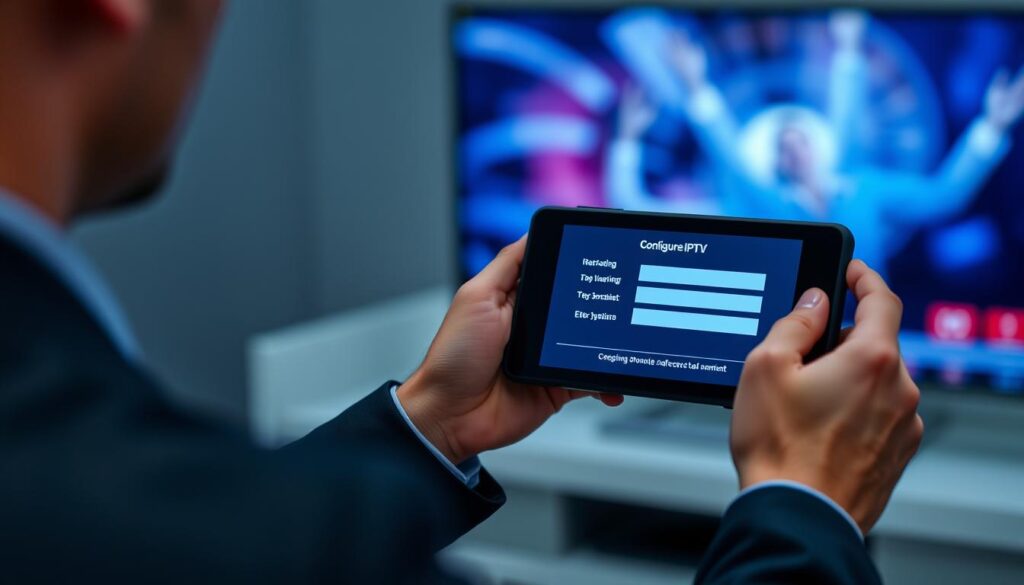
Getting started with IPTV requires understanding the compatible devices and applications available. To enjoy IPTV, end-users need a few essential things: a reliable internet connection, access to software that manages IPTV channels, and a device to display the content.
Compatible Devices for IPTV
Setting up IPTV has become increasingly user-friendly, with most services offering dedicated apps for a wide range of devices, including smart TVs, streaming sticks, gaming consoles, smartphones, and tablets. Compatible devices for IPTV include popular platforms like Roku, Amazon Fire TV, Apple TV, Android TV, Xbox, and PlayStation, as well as iOS and Android mobile devices.
For older non-smart TVs, viewers can either connect a compatible streaming device or use a dedicated IPTV set-top box that connects to the television via HDMI and handles the decoding and display of content. You can find more information on setting up your IPTV gear on our essential guide.
Popular IPTV Applications and Players
Popular IPTV applications include both service-specific apps (like the YouTube TV app or Hulu app) and universal IPTV players such as IPTV Smarters Pro, Perfect Player, and GSE Smart IPTV that can work with multiple services. Many IPTV services also offer web-based viewing options through browsers, providing flexibility for watching on computers without needing to install dedicated apps. For a detailed setup guide, you can visit our IPTV setup guide.
The setup process typically involves downloading the appropriate app for your device, creating or signing into your account, and in some cases, entering subscription details or M3U playlist URLs if you’re using a third-party IPTV player.
Troubleshooting Common IPTV Issues

IPTV services can be prone to occasional hiccups, even with proper setup. Users may experience buffering, freezing, or channel access issues that disrupt their viewing experience.
Buffering and Connection Problems
Buffering and connection problems are often caused by a slow or unstable internet connection. To resolve these issues, try restarting your router, closing bandwidth-heavy apps, or switching to a wired connection. You can also adjust the streaming quality in your IPTV app settings to ease the load on your connection. For more detailed information on optimizing your IPTV experience, refer to Cisco’s IPTV documentation.
Channel Access and Quality Issues
Channel access issues may result from service outages, expired subscriptions, or regional restrictions. To troubleshoot, verify your subscription status, check the service’s status page, or consider using a VPN to bypass geographic restrictions. Device-specific problems can often be resolved by clearing the cache on your streaming device, updating your IPTV apps, or reinstalling the application.
Conclusion: Is IPTV Right for You?
With IPTV services gaining popularity, it’s essential to consider whether this modern alternative to traditional cable is right for you. IPTV offers a flexible and customizable way to access your favorite content, including live channels and on-demand libraries.
The decision to adopt IPTV depends on several factors, including your viewing habits, internet connection quality, and budget considerations. For viewers who primarily watch live sports and news, IPTV provides a compelling alternative to cable with the added benefits of multi-device viewing and transparent pricing structures.
As IPTV technology continues to evolve, providers are expanding their channel lineups and improving features like cloud DVR and simultaneous streaming capabilities. To explore the best IPTV options, check out the top IPTV service providers in the USA, offering a range of options to suit different needs.