
Television content delivery is undergoing a significant transformation with the advent of Internet Protocol Television (IPTV). Unlike traditional satellite or cable television formats, IPTV delivers content over an internet protocol (IP) network, offering greater flexibility and interactivity.
This revolutionary technology allows viewers to watch content on multiple devices, at any time, transforming television into a two-way experience. As the global IPTV market continues to grow, reaching an estimated USD 200.22 billion by 2030, understanding its basics becomes essential for those looking to explore modern alternatives to traditional television services.
Key Takeaways
- IPTV delivers television content over an internet protocol network, offering greater flexibility.
- The technology allows for a two-way interactive experience, unlike traditional broadcasting.
- IPTV services enable viewers to watch content on multiple devices at any time.
- The global IPTV market is projected to reach USD 200.22 billion by 2030.
- Understanding IPTV basics is crucial for exploring alternatives to traditional TV services.
What Is IPTV? Understanding the Basics
The world of television is changing with IPTV, offering viewers more control over their viewing experience. IPTV, or Internet Protocol Television, is a technology that allows for the delivery of television content over the internet, differing significantly from traditional cable and satellite TV broadcasting methods.
Definition and Meaning of IPTV
IPTV refers to the delivery of TV content through internet protocols. Unlike traditional broadcasting, IPTV uses a two-way communication channel, enabling viewers to request specific content on demand. This way of delivering television content provides a more personalized viewing experience.
How IPTV Differs from Traditional Broadcasting
Traditional cable and satellite TV operate on a one-way broadcast model, transmitting content according to predetermined schedules. In contrast, IPTV transforms this relationship by creating a two-way communication channel between the content provider and viewers, enabling on-demand viewing and interactive features.
| Feature | Traditional TV | IPTV |
|---|---|---|
| Content Delivery | One-way broadcast | Two-way interactive |
| Viewing Flexibility | Limited by broadcast schedules | On-demand viewing |
| Device Compatibility | Mainly TV sets | Multiple devices including smartphones and computers |
As shown in the table, IPTV offers greater flexibility and accessibility compared to traditional TV. With IPTV, viewers can watch their favorite shows on multiple devices, not just TV sets, enhancing their overall viewing experience.
How IPTV Technology Works
IPTV technology revolutionizes the way we consume video content by leveraging internet protocol. This shift from traditional broadcasting methods allows for a more personalized and interactive viewing experience.
IPTV Architecture and Infrastructure
The architecture of IPTV is built around a robust infrastructure that includes video servers, content delivery networks (CDNs), and a strong internet connection. These components work together to ensure that content is delivered efficiently to viewers.
The infrastructure includes a server that stores and manages video content, which is then transmitted over the internet to the viewer’s device. This process involves breaking down the content into data packets that are transmitted through the network and reassembled at the viewer’s end.
The Technical Process of Content Delivery
The technical process of delivering content via IPTV involves several key steps. When a viewer selects a program, a request is sent to the IPTV server, which then retrieves the requested video content and breaks it down into data packets for transmission over the internet.
- The data packets travel through the most efficient network routes to reach the viewer’s device.
- At the viewer’s end, these packets are reassembled by a set-top box or application to recreate the original video content.
- This process employs streaming protocols like HLS or DASH, which adapt video quality based on the viewer’s internet connection speed.
| Component | Function |
|---|---|
| Video Servers | Store and manage video content |
| Content Delivery Networks (CDNs) | Distribute content across different geographic locations |
| Internet Connection | Transmits data packets between the server and viewer’s device |
| Set-top Box/Application | Reassembles data packets to recreate video content |
Essential Components for IPTV Systems
IPTV systems rely on a combination of critical elements to function effectively. These components can be broadly categorized into provider-side and user-side requirements.
Provider-Side Requirements
On the provider side, a robust infrastructure is necessary to manage and deliver IPTV content. This includes:
- Reliable servers and data centers to host and stream content
- Content management systems to organize and deliver IPTV channels
- User management systems to handle subscriptions and access control
A strong internet connection is crucial for providers to ensure smooth content delivery.
User-Side Requirements
For users to enjoy IPTV, several components are necessary. First, a reliable internet connection with sufficient bandwidth is essential for streaming high-quality video content. Users need a compatible viewing device, which can be a dedicated IPTV set-top box, a smart TV with built-in IPTV capabilities, or general-purpose devices like computers, tablets, or smartphones.
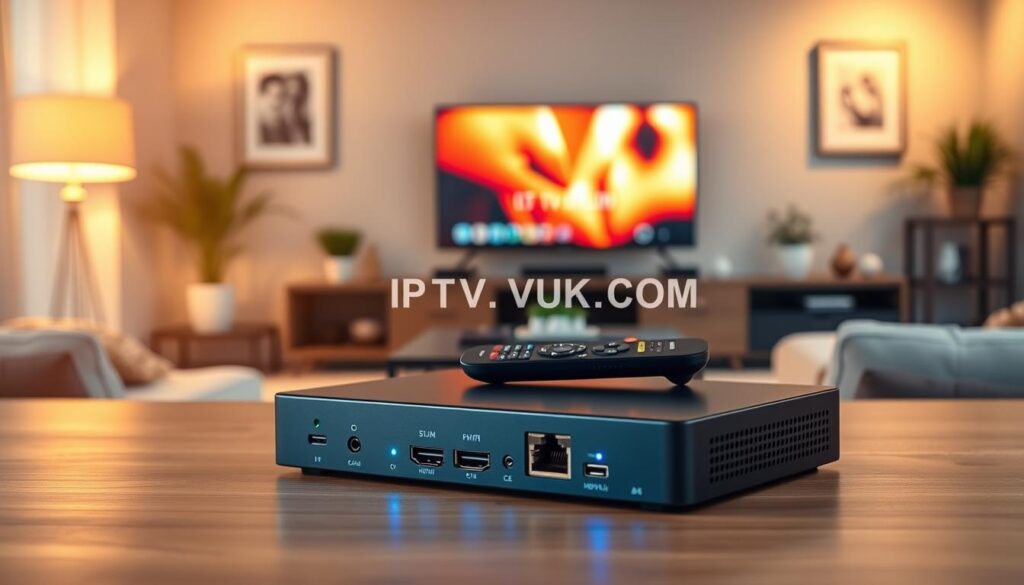
Additionally, users require IPTV apps or software to browse and select content. For older TVs without smart features, an IPTV set-top box or streaming device serves as the interface between the connection and the display.
The Main Types of IPTV Services
The flexibility of IPTV lies in its ability to offer different types of services, including live TV and on-demand content. This versatility allows users to choose how and when they want to watch their favorite shows and movies.
Live Television
Live Television on IPTV platforms provides real-time broadcasting of TV channels, similar to traditional TV but through an internet connection. This service is ideal for watching live events, news, and sports. Users can enjoy their favorite TV shows as they happen, with the added benefit of potentially higher video quality depending on their internet speed.
Time-Shifted Media (Catch-Up TV)
Time-Shifted Media, or Catch-Up TV, allows users to watch previously aired content at their convenience. This service is particularly useful for viewers who miss their favorite shows or want to watch content at a later time. It combines the benefits of live TV with the flexibility of on-demand viewing.
Video on Demand (VOD)
Video on Demand (VOD) is a popular IPTV service that lets users select and watch content at any time. VOD libraries include a wide range of movies, TV shows, and original content. Users can browse through the available titles and start watching instantly, making it a highly convenient option for personalized viewing experiences.
Near Video on Demand (NVOD)
Near Video on Demand (NVOD) offers a hybrid approach between scheduled broadcasting and true on-demand viewing. It provides the same content at staggered start times throughout the day, functioning similarly to a movie theater showing multiple screenings. NVOD is particularly valuable in areas with limited internet infrastructure as it requires less bandwidth than true VOD. Services like DirecTV and Dish Network use NVOD for premium movie channels, broadcasting popular films at regular intervals.
In conclusion, IPTV services cater to diverse viewing preferences through various service types, including live TV, catch-up TV, VOD, and NVOD. Each of these services offers unique benefits, enhancing the overall viewing experience for users.
IPTV vs. Traditional Cable and Satellite TV
When comparing IPTV to traditional cable and satellite TV, several key differences emerge that can significantly impact the viewing experience. IPTV, or Internet Protocol Television, uses the internet to deliver content, whereas traditional services rely on cable or satellite infrastructure.
Key Differences in Technology
The technology behind IPTV allows for a more flexible and interactive viewing experience. Unlike traditional cable and satellite services, which typically require a set-top box connected to a TV, IPTV can be accessed on multiple devices, including smartphones, tablets, and smart TVs, through apps or web interfaces. For more information on how IPTV works, you can visit this resource.
| Feature | IPTV | Traditional Cable/Satellite |
|---|---|---|
| Device Compatibility | Multiple devices (smartphones, tablets, smart TVs) | Limited to TV with set-top box |
| Content Access | On-demand and live TV | Primarily live TV with some on-demand |
| Interactivity | Highly interactive with personalized recommendations | Limited interactivity |
User Experience Comparison
The user experience differs significantly between IPTV and traditional TV services. IPTV offers a modern, intuitive interface with powerful search and recommendation features, enhancing the viewer’s experience. In contrast, traditional services often have dated interfaces and limited search capabilities. Additionally, IPTV’s on-demand functionality and time-shifting capabilities provide viewers with more control over their content consumption.
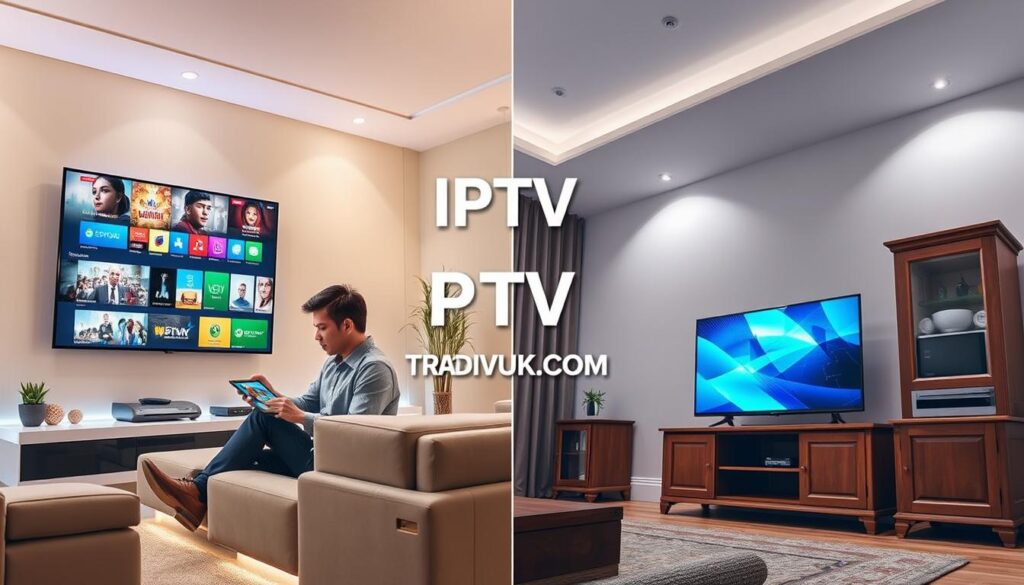
Overall, IPTV’s flexibility, interactivity, and accessibility on multiple devices make it an attractive alternative to traditional cable and satellite TV. As the television landscape continues to evolve, IPTV is poised to play a significant role in shaping the future of entertainment.
Popular IPTV Services and Providers

The IPTV market is teeming with services designed to meet the demands of a modern audience seeking flexibility and variety in their viewing experience. As we explore the popular IPTV services and providers, it’s essential to consider the diverse range of options available to users.
Mainstream Streaming Platforms
Mainstream streaming platforms have become a staple in the IPTV landscape, offering a broad range of content that appeals to a wide audience. These platforms have evolved to include live TV, sports, and on-demand video content, making them a one-stop-shop for many viewers. For instance, you can explore the best IPTV services for the latest offerings.
Specialized IPTV Providers
Specialized IPTV providers cater to niche audiences with focused content offerings that mainstream services might not prioritize. For example, IPTV service providers like DAZN offer live and on-demand access to sports events, while Crunchyroll dominates the anime streaming space. Other notable mentions include FuboTV for sports enthusiasts and BritBox/Acorn TV for fans of British television programming. You can find more information on these specialized providers and their offerings.
When choosing an IPTV platform, it’s crucial to consider the subscription model, content availability, and the quality of the streaming service. Some providers operate in a legal gray area, so it’s vital to opt for reputable services that comply with regional copyright laws and distribution deals. For more insights on how IPTV works, you can visit G-IPTV for detailed information.
Advantages and Limitations of IPTV
Understanding the benefits and drawbacks of IPTV is crucial for making informed decisions about your viewing experience. As IPTV continues to grow in popularity, it’s essential to examine both its advantages and limitations to determine if it’s the right choice for you.
Benefits for Viewers
IPTV offers several benefits to viewers, including the ability to stream content over the internet, potentially lower costs compared to traditional cable or satellite TV, and a more personalized viewing experience. You can access IPTV services through various devices, making it convenient to watch your favorite shows or live events anywhere, anytime. For more information on how IPTV works, you can visit this guide.
- Flexibility to watch content on various devices
- Potential cost savings compared to traditional TV services
- Personalized viewing experience with features like video on demand
Potential Drawbacks and Challenges
Despite its benefits, IPTV also comes with several challenges. A stable and fast internet connection is crucial for uninterrupted streaming. Poor connectivity can lead to buffering, interruptions, and low-resolution streaming. For insights into how IPTV is changing the television landscape, check out this article.
- Reliance on internet connectivity, which can be affected by network congestion or ISP outages
- Video quality fluctuations based on internet speeds
- Fragmentation of content across multiple IPTV services, leading to “subscription fatigue”
| Feature | IPTV | Traditional TV |
|---|---|---|
| Connection Requirement | Internet Connection | Cable or Satellite |
| Content Availability | Variable, depends on the service | Typically includes dozens of channels |
| Cost | Can be cheaper, but varies by service | Generally more expensive, with fixed plans |
In conclusion, while IPTV offers several benefits, including flexibility and potential cost savings, it also comes with challenges such as reliance on internet connectivity and content fragmentation. To set up and use IPTV effectively, you can refer to guides like this setup guide.
The Future of IPTV Technology
With projections indicating a market value of over $105 billion by 2029, IPTV is set to dominate the television landscape. The IPTV market is expected to grow significantly, driven by the rise in digitalization and increased use of mobile devices. As research suggests, this growth will be fueled by advancements in internet streaming and video content.
The integration of artificial intelligence and machine learning will revolutionize content discovery and personalization. Meanwhile, the expansion of 5G networks will improve IPTV accessibility and quality. For a comprehensive guide on setting up IPTV services, you can refer to resources like this detailed guide. As IPTV continues to evolve, we can expect more interactive features and immersive viewing experiences.