
IPTV, or Internet Protocol Television, is revolutionizing the way people consume television content through internet-based delivery systems. Unlike traditional cable or satellite formats, IPTV enables users to watch live broadcasts, stream video-on-demand (VoD), and access time-shifted programming from any internet-connected device.
This technology allows for a more personalized viewing experience, making it a popular choice among cord-cutters. By delivering content via the internet, IPTV provides flexibility and convenience that traditional broadcasting methods can’t match.
As we explore the world of IPTV, you’ll discover how it’s changing the landscape of streaming and entertainment.
Key Takeaways
- IPTV delivers television content through internet protocols.
- It offers live broadcasts, video-on-demand, and time-shifted programming.
- Users can access IPTV from any internet-connected device.
- IPTV provides a more personalized viewing experience.
- It’s a popular choice among cord-cutters looking for flexible entertainment options.
What is IPTV TV?
Internet Protocol Television, commonly referred to as IPTV, is changing the landscape of home entertainment. IPTV stands for Internet Protocol Television, referring to television content delivered over an Internet Protocol (IP) network rather than through traditional satellite or cable television formats.
Definition and Basic Concept
IPTV allows users to stream different types of media content, such as live TV channels, movies, and videos, as long as they have an active Internet connection. This technology represents a fundamental shift in how television content is delivered, using internet protocol networks rather than conventional broadcast methods.
The basic concept of IPTV revolves around delivering content directly to your device via the internet. This method enables a more personalized viewing experience, as you can choose what you want to watch and when.
- IPTV delivers content over IP networks, differing from traditional broadcast methods.
- It enables two-way interactive communication between you and the content provider.
How IPTV Differs from Traditional TV
Unlike traditional cable or satellite TV, which pushes all content simultaneously, IPTV services deliver only what you specifically request. This creates a more efficient and personalized experience.
Traditional TV operates on a scheduled programming model, whereas IPTV gives you control over what to watch and when. This flexibility is a significant advantage of IPTV over traditional television formats.
| Feature | IPTV | Traditional TV |
|---|---|---|
| Content Delivery | Over IP networks | Through satellite or cable |
| Viewing Experience | Personalized, on-demand | Scheduled programming |
| Interactivity | Two-way interactive | Limited interactivity |
By understanding how IPTV works and its differences from traditional TV, you can make informed decisions about your television viewing options.
The Technology Behind IPTV
At its core, IPTV utilizesinternet protocolto revolutionize how we consume television content. This technology delivers television content over the internet rather than through traditional broadcast methods. To understand how IPTV works, we need to delve into its foundational elements.
Internet Protocol Basics
The internet protocol forms the foundation of IPTV technology, breaking down content into data packets that are transmitted efficiently across networks and reassembled on your device. This process enables a stable and high-quality viewing experience.
IPTV Architecture
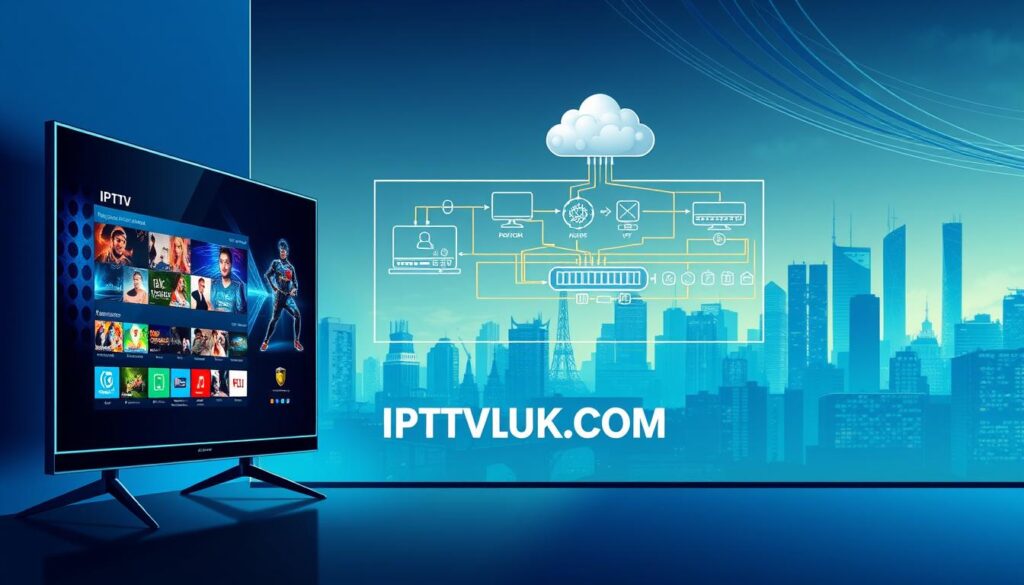
The architecture of an IPTV system consists of three main components: the content provider’s headend (where signals are processed), the delivery network, and the end-user equipment. Servers play a crucial role in this architecture, storing, encoding, and distributing programming through a complex network designed to handle high-bandwidth video delivery.
Required Components for IPTV
To implement an IPTV service, a provider needs access to various content sources, such as live TV channels and on-demand videos. Encoding systems convert this content into compressed data, which is then sent through a dedicated group of servers. For reception, you’ll need either a dedicated set-top box that connects to your television or a smart TV with built-in IPTV capabilities. The set-top box serves as the crucial interface between internet protocol data packets and your television, decoding the signals into viewable content.
| Component | Function |
|---|---|
| Content Sources | Live TV channels and on-demand videos |
| Encoding Systems | Convert content into compressed data |
| Servers | Store, encode, and distribute programming |
| Set-top Box | Decodes internet protocol data packets into viewable content |
Types of IPTV Services
IPTV services have revolutionized the way we consume television, offering various models to suit different viewing preferences. These services cater to diverse viewer needs, providing flexibility and a range of viewing options.
Video on Demand (VOD)
Video on Demand (VOD) represents the most popular form of IPTV service, allowing you to select and watch video content from an extensive library at any time without scheduling constraints. Major streaming platforms like Netflix and Disney+ exemplify the VOD model, offering vast collections of movies and shows that you can access instantly through their media libraries.

Time-Shifted Media (Catch-up TV)
Time-Shifted Media, commonly known as catch-up TV, bridges traditional broadcasting and on-demand viewing by allowing you to watch recently aired content for a limited period after its original broadcast. This catch-up functionality gives you the flexibility to view missed programs without needing to record them, typically offering access to content from the past 7-30 days depending on the service.
Live IPTV Broadcasting
Live IPTV broadcasting delivers real-time content just like traditional television but through internet protocol, making it ideal for sports events, news, and other time-sensitive programming. Unlike traditional broadcasting, live IPTV often includes interactive features such as multi-angle viewing, statistics overlays, and chat functions that enhance the viewing experience.
Near Video on Demand (NVOD)
Near Video on Demand (NVOD) offers scheduled broadcasts of the same video content at staggered start times, similar to how hotel movie systems work, giving you multiple opportunities to watch popular programming. This model is particularly useful for highly anticipated movies or events.
For a comprehensive guide on setting up IPTV services, you can refer to our detailed article on setting up Stocker IPTV.
Key Benefits of IPTV
IPTV represents a significant shift in how we watch television, allowing for a more personalized and interactive viewing experience. With IPTV, you can enjoy your favorite shows and movies at your convenience, accessing a wide range of content across various devices.
Personalized Viewing Experience
One of the standout features of IPTV is its ability to offer a personalized viewing experience. By creating profiles and receiving content recommendations based on your viewing history, you can discover new shows and movies that align with your interests. This tailored approach enhances your overall viewing experience.
On-Demand Content Access
IPTV provides on-demand content access, allowing you to watch your favorite programs anytime, anywhere. This flexibility eliminates the need to plan your day around broadcast times, giving you the freedom to enjoy content at your convenience. You can access a vast library of movies, TV shows, and other media through services like IPTV services.
Multi-Device Compatibility
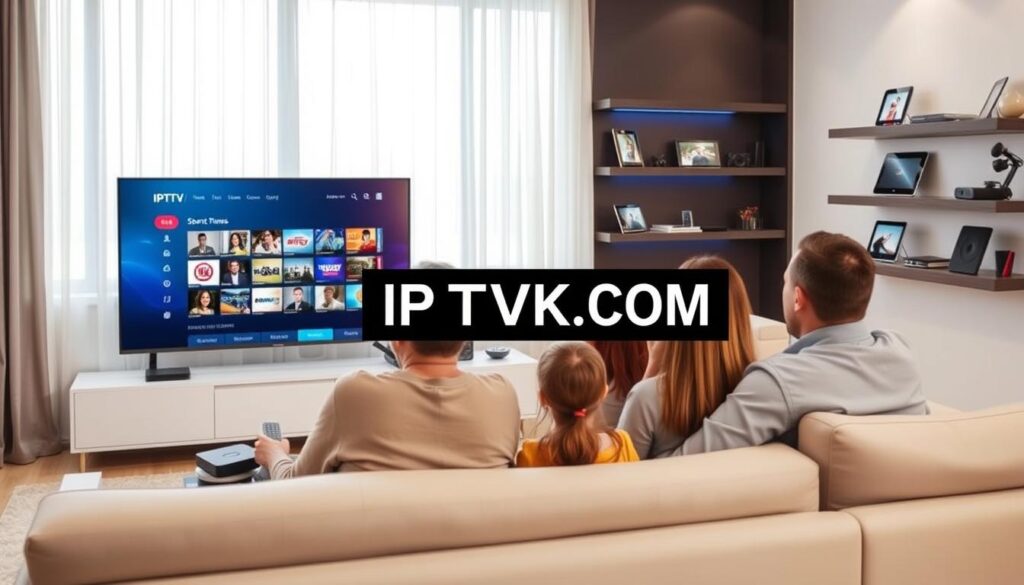
The multi-device compatibility of IPTV means you can seamlessly switch between devices, watching your content on your smart TV, tablet, phone, or computer without losing your place. This flexibility is particularly beneficial for families, as multiple members can enjoy different content simultaneously without requiring multiple cable boxes or television sets.
Cost-Effectiveness
IPTV offers a cost-effective way to consume entertainment compared to traditional cable packages. You can select and pay for only the content you want, reducing unnecessary expenses. This à la carte approach to television viewing is a significant advantage for cord-cutters and budget-conscious consumers.
| Benefit | Description |
|---|---|
| Personalized Experience | Tailored content recommendations based on viewing history |
| On-Demand Access | Watch favorite programs anytime, anywhere |
| Multi-Device Compatibility | Seamlessly switch between devices without losing your place |
| Cost-Effectiveness | Pay only for the content you want, reducing unnecessary expenses |
By embracing IPTV, you can enjoy a more interactive and engaging television experience. With its numerous benefits, IPTV is poised to revolutionize the way we consume television content.
Potential Drawbacks of IPTV
While IPTV offers numerous benefits, there are several drawbacks to consider when switching from traditional TV. One of the primary concerns is the requirement for a stable and fast internet connection. IPTV relies heavily on your internet bandwidth, and poor connectivity can lead to buffering, interruptions, and low-resolution streaming.
Internet Connection Requirements
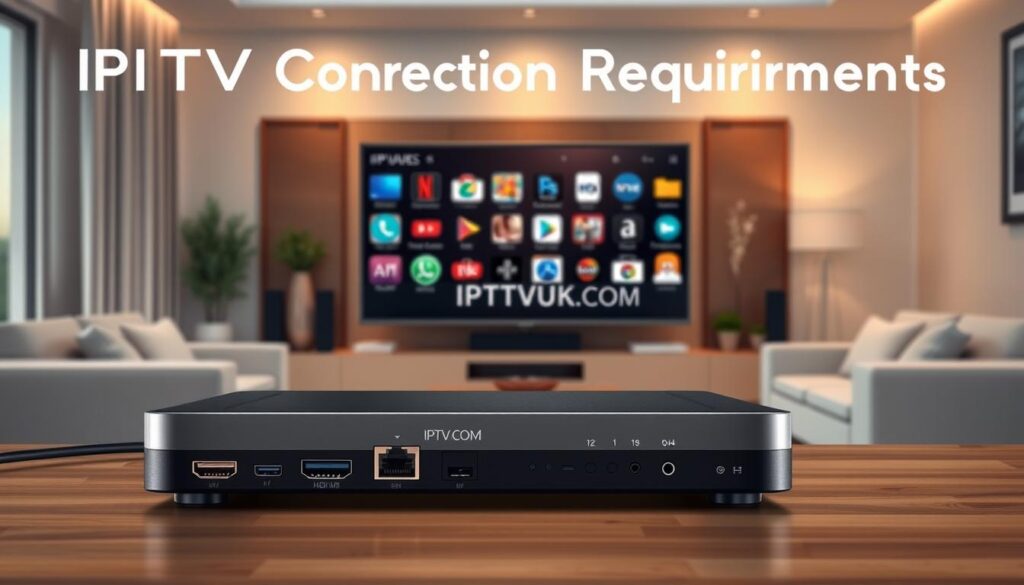
The quality of your IPTV experience depends significantly on your internet connection. For high-definition streaming, a consistent speed of at least 10-15 Mbps is required, while 4K content demands even higher speeds of 25 Mbps or more. Unlike traditional television, which works regardless of weather conditions, IPTV services can suffer during internet outages or when your connection experiences congestion during peak usage hours.
Households with multiple users may face bandwidth limitations, as simultaneous streaming across several devices can strain even robust internet connections. This can result in a degraded viewing experience, particularly if the connection is not sufficiently robust.
| Streaming Quality | Required Internet Speed |
|---|---|
| Standard Definition | 5 Mbps |
| High Definition | 10-15 Mbps |
| 4K | 25+ Mbps |
Potential Service Reliability Issues
Service reliability can vary significantly between providers, with some experiencing more frequent server downtime or technical issues than others. It’s crucial to choose a reputable IPTV service provider to minimize these risks. You can find more information on the risks associated with illegal IPTV services here.
Content Limitations
Content availability often differs from traditional cable packages, and you may find that certain channels or programs aren’t available through your IPTV provider due to licensing restrictions. Regional content limitations can be frustrating, as geographic licensing agreements may prevent access to certain shows or sports events depending on your location.
How to Choose the Right IPTV Service
As you navigate the world of IPTV, understanding how to choose the right service is crucial for an optimal entertainment experience. With numerous IPTV services available, it’s essential to assess your viewing habits and match them with the right provider.
Assessing Your Viewing Needs
Before selecting an IPTV service, carefully assess your viewing habits to determine whether you need live channels, on-demand content, or a combination of both. Consider how many simultaneous streams you require, especially if multiple household members will be watching different content at the same time.
Evaluating Service Quality and Reliability
Research multiple IPTV providers by reading independent reviews and checking user forums to gauge service reliability, customer support quality, and content selection. Look for IPTV services that offer free trials, allowing you to test their interface, streaming quality, and channel selection before committing to a subscription.
Comparing Content Libraries
When comparing IPTV services, examine their content libraries in detail to ensure they carry the specific channels and programs you regularly watch. Check if they offer the content you’re interested in, whether it’s sports, movies, or TV shows.
Pricing Considerations
Evaluate the pricing structure carefully, watching for hidden fees, escalating costs after promotional periods, or additional charges for premium features. Check whether providers offer flexible subscription options, such as month-to-month plans without long-term commitments or the ability to pause your service temporarily.
For more information on finding the best IPTV provider and understanding how IPTV works, you can refer to these resources. By following these guidelines, you can make an informed decision when choosing an IPTV service that meets your entertainment needs.
Legal Considerations for IPTV Users
IPTV users need to be cautious about the legal status of the services they subscribe to, as it can have significant consequences. A legal IPTV service is one that has secured the proper licenses and rights to distribute the content it offers. This means they have formal agreements with the television networks, movie studios, and sports leagues whose content they broadcast.
Licensed vs. Unlicensed Services
The legal landscape surrounding IPTV is complex, with important distinctions between legitimate services that properly license content and illegal operations that pirate cable satellite broadcasts. Licensed IPTV providers have formal agreements with content creators and distribution networks, paying appropriate fees for the right to transmit programming to subscribers. Services like Netflix, Hulu, and YouTube TV operate legitimate business models with transparent terms of service and proper content licensing arrangements.
Risks of Using Illegal IPTV Services
Using illegal IPTV services exposes you to significant security risks, as these platforms may contain malware or collect personal data without adequate protection measures. For more information on what IPTV is and how it works, you can visit this resource. Unlicensed services often advertise suspiciously low prices for access to thousands of channels, a clear red flag that the content internet delivery is occurring without proper rights. Beyond personal risk, accessing pirated content contributes to substantial revenue losses for content creators and legitimate distribution businesses.
Key Takeaways:
- Licensed IPTV services have formal agreements with content creators.
- Illegal IPTV services pose significant security risks.
- Using unlicensed services can lead to legal consequences.
Conclusion: The Future of Television
As we look to the future, IPTV is poised to revolutionize the way we consume television content. The evolution of IPTV is not just about how we watch content, but also about who gets to create and distribute it. With increasing internet speeds and more accessible content creation tools, individuals and small businesses can now launch their own specialized IPTV channels.
This shift is leading to a vibrant ecosystem of niche channels, each catering to specific passions, interests, or communities. As a result, viewers can expect more personalized viewing experiences across various devices, including smart TVs and dedicated streaming devices.
The future will likely bring even more personalization, with AI-driven content recommendations becoming increasingly sophisticated across streaming platforms. For consumers, this means more choice but also more complexity in managing multiple subscriptions. The industry will likely respond with better content aggregation solutions, helping users navigate the vast landscape of available programming.
To learn more about setting up and using IPTV services, you can visit resources like x96mini or g-iptv for guidance on IPTV portals.